- Strategic Structuring
- Risk Mitigation
Capital Markets
- Digital Engagement
- Market Visibility
Public Perception
- Shareholders Services
- EDGAR Filings



In the dynamic world of corporate governance, shareholder meetings aren't just a tick on the checklist—they're the stage where game-changing decisions come to life. So, what's the plan when shareholders can't be there for these pivotal moments? Enter the proxy meeting, a revolutionary alternative that empowers shareholders to make their mark from anywhere on the globe. From monumental mergers to crucial SPAC timeline extensions, mastering the art of proxy meetings offers board members and executives not just a seat at the table, but a strategic edge that can redefine the very essence of governance.
Definition of Proxy Meetings
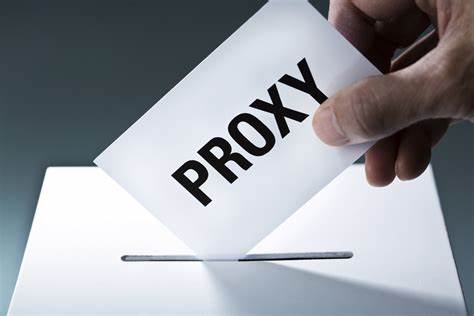
A proxy meeting is a specialized form of shareholder meeting designed to facilitate pivotal corporate decisions when physical attendance is not possible. These meetings serve as an invaluable tool in various scenarios, including but not limited to annual general meetings (AGMs), extraordinary general meetings (EGMs) for matters like mergers and acquisitions, and SPAC-related timelines or decisions.
The Role of Proxy Agents
The effectiveness of a proxy meeting largely depends on the role of proxy agents, who act as authorized representatives for shareholders. Appointed by shareholders, these agents operate under the guidelines set forth in legal documents, typically a power of attorney. This document outlines the scope of actions the proxy is authorized to undertake, such as casting votes or engaging in discussions. Whether it's voting on resolutions, participating in dialogues, or initiating motions, proxy agents act in strict alignment with the shareholder's directives, thereby fulfilling the core purpose of a proxy meeting.
The Mechanism of Proxy Voting
As an extension of the role of proxy agents, proxy voting is the mechanism that actualizes shareholder influence in corporate decisions. Shareholders receive online materials prior to the meeting, including a proxy statement that outlines the issues up for vote and a proxy card containing detailed voting instructions. This enables shareholders to delegate their voting power to a designated proxy, who will act according to specified directives. The actual casting of votes is streamlined and can be executed via various channels such as mail, phone, or online platforms.
Legal and Regulatory Framework
Proxy meetings operate under a set of rules defined by the Securities and Exchange Commission (SEC), state laws, and a company's own bylaws. In general, these laws and regulations are designed to protect shareholders’ rights, ensure transparency in corporate governance, and maintain the integrity of the voting process. They typically cover aspects such as the authorization and revocation of proxy votes, the counting of votes, and the disclosure of voting results. Adherence to this legal framework is not just a requirement but a cornerstone for effective and compliant participation in proxy meetings.
Procedures of a Proxy Meeting
In alignment with legal and regulatory guidelines, commonly followed procedures for conducting a proxy meeting are as follows:
Real-World Challenges and Solutions in Shareholder Meetings via Proxy
Proxy meetings, while offering the potential for beneficial outcomes as exemplified by the Mitsubishi Corp case, also come with their own set of challenges. These include the need for substantial resources and the potential for risks such as misrepresentation or misunderstanding of shareholder intent. Such complexities underscore the essential role of specialized proxy services in ensuring effective and compliant meetings.
First Cover's Proxy Service redefines excellence in the complex landscape of proxy meetings. Merging legal expertise with cutting-edge technology, we provide a robust, streamlined process that surpasses basic regulatory requirements. Choose First Cover, and you're not just meeting standards—you're setting them, transforming shareholder engagement into an unparalleled experience of inclusivity and effectiveness.
References:
Proxy Definition, How It Works, Statements, Benefits, and Example – Investopedia
Annual Meetings and Proxy Requirements - SEC.gov
Climate Shareholder Proposals lodged with Mitsubishi Corporation - Fossil Free Japan
 Nasdaq and NYSE Initial Listing Rules: What Companies Need to Know Before Going Public
 Nasdaq's Proposed $5 Million MVLS Rule: From Getting Listed to Staying Qualified