- Strategic Structuring
- Risk Mitigation
Capital Markets
- Digital Engagement
- Market Visibility
Public Perception
- Shareholders Services
- EDGAR Filings



After grinding to a near halt in 2022, Chinese companies are coming back to the US stock exchange.
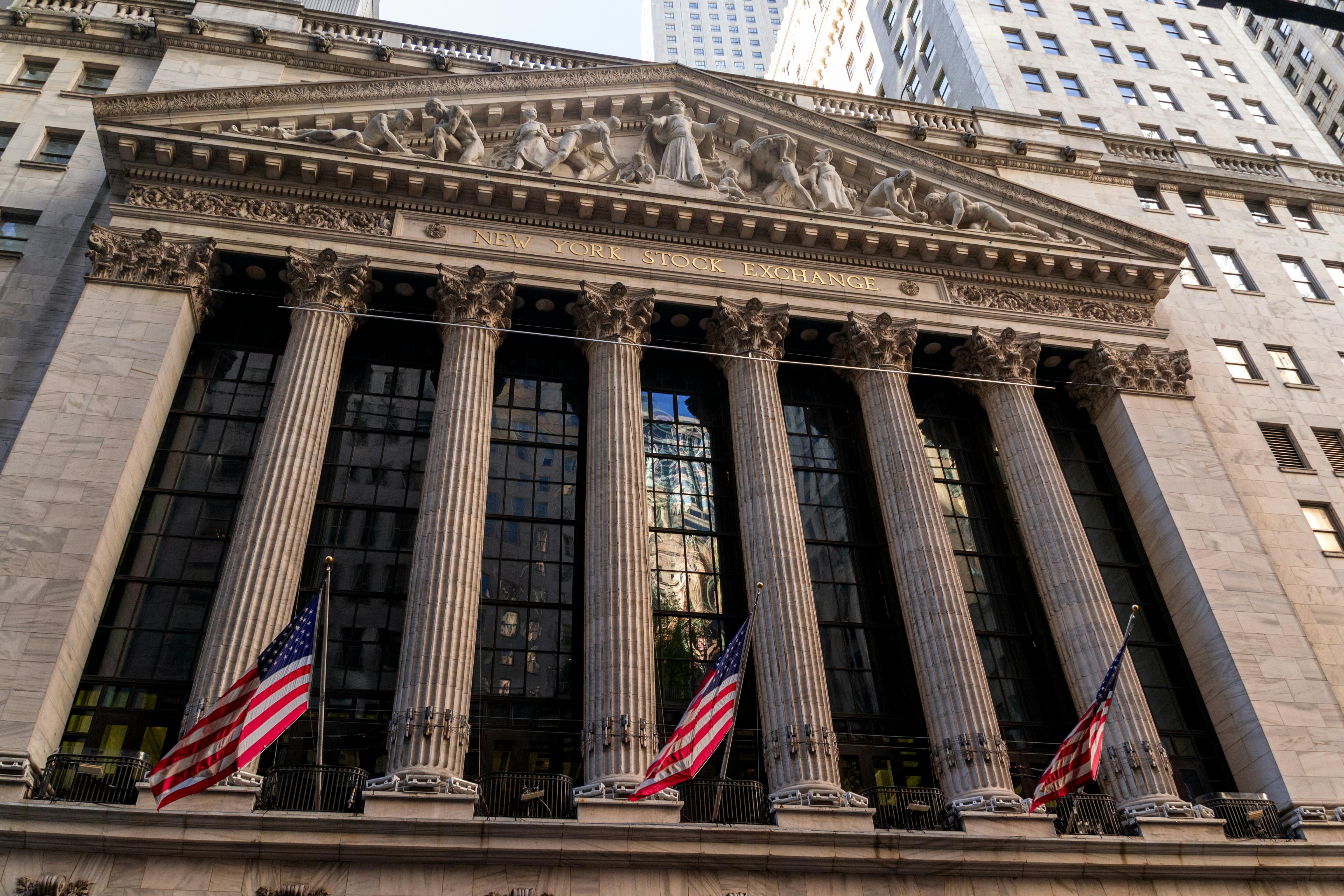
On February 8th, Hesai Technology, a Chinese auto sensor supplier, upsized its Initial Public Offering (IPO). After raising $190 million, it rose by 10.8% on its debut on Nasdaq. This is the largest deal by US-listed Chinese groups after a dry spell in the once-hot market.
In 2022, Chinese companies listed in the U.S. only raised nearly $230 million (Refinitiv data). In stark contrast with $12.85 billion in 2021, it was a big fall due to the delisting compliance risks by US regulators.
Fortunately, in December 2022, the Public Company Accounting Oversight Board (PCAOB) retracted its previous determinations that Chinese US-listed companies were non-compliant, easing some of the immediacies of forcing Chinese companies to delist from US stock exchanges. Last week, the China Securities Regulatory Commission (CSRC) also formalized rules for Chinese-based companies wanting to file overseas IPOs. Those “seminal” decisions, coming with China’s faster-than-expected reopening, provide windfall profits for the businesses. Bob McCooey, Asia-Pacific chair at Nasdaq, commented that the listing of Hesai Group “cleared the dark clouds [that] hung over the US capital markets for Chinese companies.”
Behind the scenes, however, things look less rosy. There are still potential risks that Asian companies listed or planning to go public in the US need to manage appropriately.
Firstly, regulatory risks. Although the fear of delisting from the US audit regulator has been lifted for the time being, the PCAOB will still need to make the same choice every year going forward. At the same time, the Chinese government began to curb the impact of western auditors, urging those state-owned enterprises (SOE) to stop using Big Four Auditors, including PwC, EY, KPMG, and Deloitte, according to Bloomberg.
Secondly, geopolitical concerns. Geopolitical relationships are changing the international environment and mounting market uncertainties. Recently, because of the appearance of Chinese balloons in the US territory sky and being shot down by the US, the relationship between the US and China dropped below freezing. Consequently, the escalation of trade and political tension might trigger some retaliatory sanctions on US-listed Chinese companies. Similarly, the Taiwan issue and the Russia-Ukraine war are all risky elements for the ongoing trade war.
Last but not least, the “key man risk.” There is the possibility of missing executives of Chinese companies, according to recent news. The loss, or significant change in the key person, including the actual controller, shareholders, or senior executives, would directly affect the company’s development prospects and financial position, resulting in the usual spanking of their stock price. For example, after China Renaissance 华兴资本 confirmed its founder Bao Fan’s disappearance last week, its shares plunged more than 20%.
Exposed to the risks listed above, non-US issuers are at an increased possibility of becoming targets of securities class action lawsuits. Such companies’ officers and board directors may be the targets of financially damaging lawsuits in these increasingly litigious and volatile times. Decisions and judgments made by directors and officers are constantly scrutinized, not just by shareholders, but also by state and federal regulators and other governmental authorities. D&O insurance protects executives from personal liability and financial loss resulting from wrongful or allegedly committed acts as corporate officers. D&O insurance also covers the corporation’s balance sheet.
First Cover has tailored foreign company D&O liability insurance and can help those US-listed foreign companies to mitigate the risks. Our strength is that we represent quite a large number of APAC -based foreign issuers in the U.S. Since they are all listed either on the Nasdaq or NYSE, we are able to maximize our local resources and provide them with proper access.
Ask our expert for more risk management advice.
References:
 U.S. IPO Trends, SPAC Activity, and Listing Regulatory Rules